
TB-500 vs BPC-157
TB-500 and BPC-157 are the two most-discussed research peptides in injury-recovery and connective-tissue protocols. They are frequently combined (the so-called Wolverine stack) precisely because their mechanisms are distinct and considered complementary rather than overlapping. TB-500 is a synthetic of thymosin beta-4 — a 43-amino-acid actin-binding peptide present in nearly all human cells — while BPC-157 is a 15-amino-acid pentadecapeptide derived from a sequence found in human gastric juice. This page summarises the published mechanisms, dose schedules, and limitations of each compound for laboratory research reference purposes. It is an educational reference, not medical advice. Products covered are research-only and the page does not address human use.
Quick comparison
| TB-500 | BPC-157 | |
|---|---|---|
| Source / origin | Synthetic fragment of thymosin beta-4 | Synthetic 15-AA pentadecapeptide from gastric-juice sequence |
| Mechanism | Actin sequestration → cell migration | NO-pathway modulation, growth-factor signalling |
| Half-life (single dose) | ~3 hours | ~30 minutes |
| Dose frequency | 1–2× per week | 1–3× daily |
| Common research dose | 2–5 mg per dose | 200–500 µg per dose |
| Best-cited use case | Systemic recovery, chronic injury | Acute site-specific injury, gut-focused protocols |
| FDA approval | Not approved | Not approved |
| Human trial data | Limited (animal models dominate) | Limited (animal models dominate; Sikiric body of work) |
Mechanism: actin sequestration vs nitric oxide pathway
TB-500 (thymosin beta-4) binds and sequesters G-actin monomers, regulating the assembly and disassembly of the actin cytoskeleton. This is the molecular basis for its reported effects on cell migration, angiogenesis, and tissue regeneration — the cells that need to migrate to a site of injury (endothelial cells, fibroblasts, immune cells) depend on rapid actin remodelling. The peptide circulates systemically after subcutaneous injection rather than acting only at the injection site.
BPC-157 acts through a different mechanistic stack. Preclinical work (largely from Sikiric et al.) attributes its tissue-protective effects to modulation of the nitric oxide synthase pathway, upregulation of growth-hormone receptor expression in injured tissue, and direct effects on angiogenesis via VEGF and other growth factor signalling. The peptide has a short circulating half-life and is often dosed near the site of injury, though systemic administration is also reported.
These two mechanisms are considered complementary rather than redundant — TB-500 supports cell migration into the injury site while BPC-157 supports the local growth-factor and vascular environment that those cells need to act on. This is the rationale for the Wolverine stack, which combines both peptides in a single protocol.
Half-life and dose frequency
The most practical difference between TB-500 and BPC-157 is dose frequency, which derives directly from their half-lives. TB-500 has a circulating half-life of approximately 3 hours but a much longer pharmacological window because of its persistent intracellular activity once absorbed. Most reported protocols use a loading phase of 2–5 mg twice weekly for 4–6 weeks, followed by a 2 mg weekly maintenance dose if continued.
BPC-157 is rapidly cleared from circulation (~30-minute half-life) and most protocols therefore use multiple smaller doses per day — commonly 200–500 µg one to three times daily. Some protocols dose immediately near the affected tissue (subcutaneous injection close to a tendon or joint); others dose at a single subcutaneous site for systemic effect. The lack of an established human pharmacokinetic standard means dose, route, and frequency choices vary widely between sources.
At the standard research-vendor reconstitutions — 5 mg / 2.5 mL for both — a 250 µg BPC-157 dose draws to 12.5 units on a U-100 insulin syringe, while a 2 mg TB-500 dose draws to 100 units (a full standard syringe). The calculator on this site converts any vial size and BAC water volume to exact units.
Application context: when each is typically chosen
TB-500 protocols cluster around systemic recovery use cases: chronic injuries that have plateaued under physical therapy, post-surgical recovery, recovery from intense training cycles in athletic populations. The weekly dosing schedule and longer pharmacological action favour situations where consistent background tissue-repair support is the goal rather than a focal acute response.
BPC-157 protocols cluster around acute and site-specific use cases: a fresh tendon injury, an acute gut-lining issue (the gastrointestinal sequence origin makes BPC-157 a frequent choice in gut-focused protocols), or a localised joint problem. The short half-life and high tolerability for split daily dosing favour rapid-response protocols.
Many practitioners use both — TB-500 once or twice weekly as the systemic baseline while BPC-157 handles acute or focal protocols. This combination is the Wolverine stack referenced earlier; protocol detail lives on the dedicated stack page.
Clinical evidence and FDA status
Neither TB-500 nor BPC-157 is FDA-approved for human use in any indication. Both compounds are accessible in the United States via regulated compounding pharmacies following the February 2026 HHS reclassification permitting peptide compounding. Outside that framework, both are research-only products.
Published evidence for both peptides is largely preclinical — animal models, in vitro work, and case-report literature. TB-500 has more pharmacology data on its parent molecule (thymosin beta-4) including a small handful of Phase 2 trials in dermal wound healing and cardiac repair contexts, but no large human trials of synthetic TB-500 itself. BPC-157 has the larger preclinical body of work via Sikiric et al. but no completed Phase 2/3 human trials at the time of writing.
The absence of long-term human safety data is the most important framing for any user. Researchers reviewing dose, duration, and cycling parameters should treat them as informed estimates derived from animal data and clinician case series — not as established clinical recommendations. The data on this page is published as in vitro research reference; it does not address human use.
Combining them: the Wolverine stack
The combination of TB-500 and BPC-157 is informally called the Wolverine stack — a reference to the X-Men character's accelerated healing. The name does not appear in peer-reviewed literature; it originated in injury-recovery and bodybuilding communities.
Stack protocols typically reconstitute each peptide separately and either co-draw both into a single insulin syringe at the time of injection or alternate injection sites. A common pattern: BPC-157 250–500 µg one to three times daily near the injury site, alongside a TB-500 loading phase of 2–5 mg twice weekly for 4–6 weeks followed by a 2 mg weekly maintenance dose. Cycle length varies with the injury and the provider's protocol.
Important: no human trial of the combination has been completed. The combination is an inference from each peptide's individual mechanism, not a clinically validated protocol.
Where researchers source these
Vendors below have been manually vetted for third-party COA practice and shipping reliability. Verify the current Certificate of Analysis on the vendor's product page before purchase.
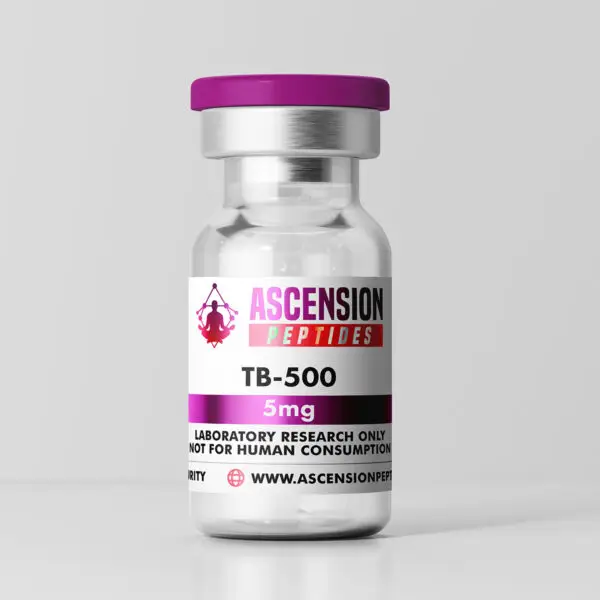
 Ascension Peptides
USA-based research vendor (Castle Rock, Colorado) publishing a per-batch Certificate of Analysis library with public lot IDs, so a vial can be matched to its own COA before and after purchase. Recent HPLC purity 99.79–99.98% across the catalog. Ships from the US and carries the full GLP-1 reference range alongside repair, longevity and cosmetic compounds.
Buy TB-500 5mg →Affiliate link — we may earn a commission at no extra cost to you.
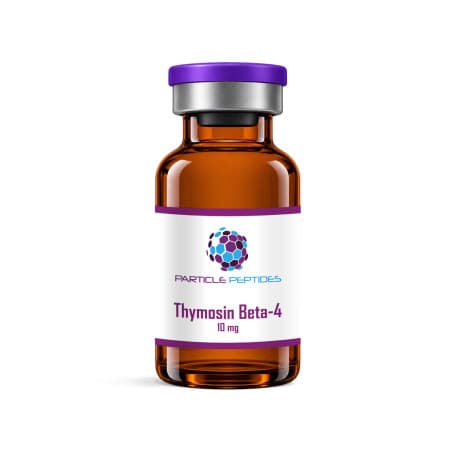
 Particle Peptides
EU-based vendor (Slovakia, since 2015) shipping to EU, UK, and Switzerland. The only European supplier publishing all seven test parameters per batch (purity, identity, content, bioburden, endotoxins, heavy metals class 1 & 2). Manufacturer is cGMP / ISO 9001 / ISO 13485 compliant.
Buy Thymosin Beta-4 (TB-500) 10mg (with mannitol) →Affiliate link — we may earn a commission at no extra cost to you.
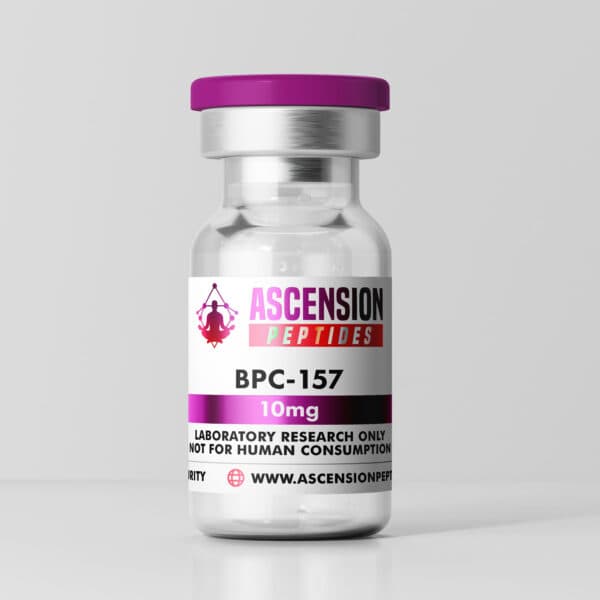
 Ascension Peptides
USA-based research vendor (Castle Rock, Colorado) publishing a per-batch Certificate of Analysis library with public lot IDs, so a vial can be matched to its own COA before and after purchase. Recent HPLC purity 99.79–99.98% across the catalog. Ships from the US and carries the full GLP-1 reference range alongside repair, longevity and cosmetic compounds.
Buy BPC-157 10mg →Affiliate link — we may earn a commission at no extra cost to you.
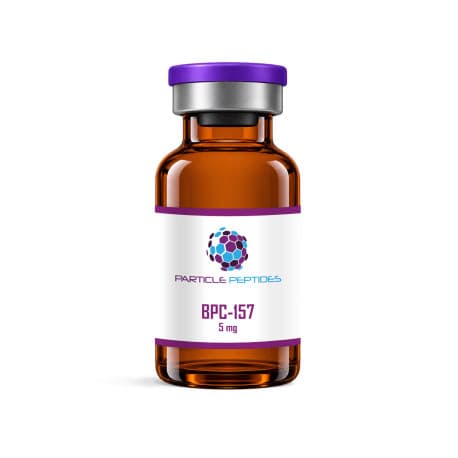
 Particle Peptides
EU-based vendor (Slovakia, since 2015) shipping to EU, UK, and Switzerland. The only European supplier publishing all seven test parameters per batch (purity, identity, content, bioburden, endotoxins, heavy metals class 1 & 2). Manufacturer is cGMP / ISO 9001 / ISO 13485 compliant.
Buy BPC-157 5mg (with mannitol) →Affiliate link — we may earn a commission at no extra cost to you.
Frequently asked questions
- Which heals faster — TB-500 or BPC-157?
- Neither peptide has been compared head-to-head in a human trial for healing speed. Both are reported preclinically to support tissue repair through different mechanisms. The choice is usually framed by use-case (systemic vs site-specific) and dose-frequency tolerance (weekly vs daily) rather than by raw potency.
- Can I take TB-500 and BPC-157 at the same time?
- Most protocols dose them on different schedules — BPC-157 daily, TB-500 weekly — but the two are commonly stacked in the same overall protocol. Reconstitute each separately. Co-drawing both into one syringe at the time of injection is reported, as is alternating sites; both approaches preserve dose accuracy.
- Are TB-500 or BPC-157 FDA-approved?
- Neither is FDA-approved. Both can be accessed via US regulated compounding pharmacies following the February 2026 HHS reclassification.
- Why do they have such different dose frequencies?
- Half-life. BPC-157 is rapidly cleared (~30 min) so multiple small doses per day are common. TB-500 has a longer pharmacological window so weekly dosing is the default. Dose frequency does not signal potency — it reflects pharmacokinetics.
Compute a dose for either peptide
PeptideDose is an educational reference. It is not medical advice and does not replace consultation with a licensed healthcare provider. Doses shown in presets are derived from published protocols and product labels — they are not personal recommendations.