
DSIP Calculator
DSIP (also known as Delta Sleep-Inducing Peptide) reconstitution and dosage reference — calculate vial concentration, BAC water volume, and exact syringe units below.
Also known as: Delta Sleep-Inducing Peptide, Delta-sleep inducing peptide
At the reference preset of a 5mg DSIP vial reconstituted with 2 mL of bacteriostatic water, a 0.2mg dose measures 8 units on a U-100 insulin syringe.
Delta sleep-inducing peptide (DSIP) is a naturally occurring nonapeptide first isolated in 1977 by Schoenenberger and Monnier from the cerebral venous blood of rabbits during electrically induced slow-wave sleep, which is how it was named.
- Concentration
- 2.5 mg/mL
- Draw volume
- 0.08 mL
- Units (U-100)
- 8
- Doses per vial
- ≈ 25
- Reference preset
- 5mg · 2mL · 0.2mg
Reference values from the default preset — adjust the calculator below for your vial.
How to use this calculator›
- 1. Vial — the peptide amount printed on the vial, in milligrams.
- 2. BAC water — the bacteriostatic water added to the vial. More water means a lower concentration and a larger, easier-to-read draw.
- 3. Dose — the single dose being measured, in milligrams.
- 4. Syringe — the barrel being drawn into. The diagram rescales to that syringe, so the same dose sits at a different mark on a 0.3 mL barrel than on a U-100.
Educational reference only — not medical advice or a dosing recommendation.
What is DSIP?
Delta sleep-inducing peptide (DSIP) is a naturally occurring nonapeptide first isolated in 1977 by Schoenenberger and Monnier from the cerebral venous blood of rabbits during electrically induced slow-wave sleep, which is how it was named. The molecule crosses the blood–brain barrier and has been investigated for possible roles in sleep regulation, stress and HPA-axis modulation, pain perception, and antioxidant activity. Despite several decades of study its physiological function remains incompletely defined — multiple groups have questioned whether DSIP acts as a direct sleep-promoting agent, and the human clinical evidence base is small and inconsistent. DSIP is not approved by the FDA or EMA for any indication and is handled as a research compound. It is supplied as a lyophilized powder for reconstitution and subcutaneous research use.
Where researchers source this
Vendors below have been manually vetted for third-party COA practice and shipping reliability. Verify the current Certificate of Analysis on the vendor's product page before purchase.

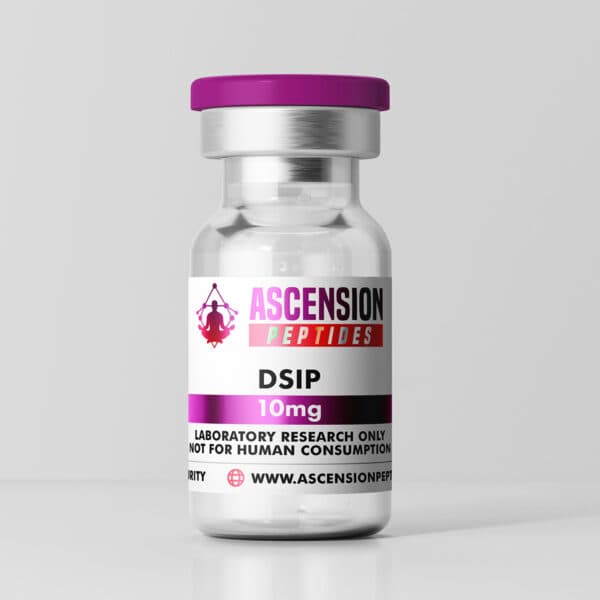
| 5 mg | lyophilized powder |
| 0.1 mg | ≈ 4 U-100 units (at 5mg / 2mL) |
| 0.2 mg | ≈ 8 U-100 units (at 5mg / 2mL) |
| 0.3 mg | ≈ 12 U-100 units (at 5mg / 2mL) |
How it's typically prepared
Reconstitute the lyophilized powder with bacteriostatic water and store refrigerated at 2–8 °C, protected from light. DSIP is a small peptide with a short reported plasma half-life (on the order of 7–15 minutes), so reconstituted solution is generally used within 2–4 weeks. Protocols in the research literature most often describe subcutaneous administration timed before the intended sleep period.
Frequently asked questions
- Is DSIP FDA-approved?
- No. Delta sleep-inducing peptide is not approved by the FDA or the EMA for any indication and is not a licensed medicine in the United States or European Union. It is studied and sold as a research compound only.
- What does DSIP stand for?
- Delta sleep-inducing peptide. The name reflects its original 1977 association with delta-wave (slow-wave) sleep in animal experiments, not a confirmed clinical sleep effect in humans.
- What dose of DSIP appears in the research literature?
- Reported research-context amounts commonly fall in the 100–300 µg (0.1–0.3 mg) range per subcutaneous administration, often timed before sleep. These are reference values from protocol literature, not recommendations — enter your own vial and dose in the calculator above.
- How many units is a 200 µg DSIP dose?
- On a 5 mg vial reconstituted with 2 mL of bacteriostatic water (2.5 mg/mL), a 200 µg (0.2 mg) dose draws to 8 units on a U-100 insulin syringe. Change the vial size or water volume in the calculator to recompute.
- Is the evidence linking DSIP to sleep strong?
- No. The evidence is limited and mixed. After the 1977 discovery, several studies did not reproduce a clear hypnotic effect, and DSIP's role as a physiological sleep regulator remains debated. Most human data come from small, older studies.
- What is the half-life of DSIP?
- Its plasma half-life is short — reported on the order of 7–15 minutes — although some studies describe effects that appear to outlast measurable plasma levels.
Other Cognitive peptides
PeptideDose is an educational reference. It is not medical advice and does not replace consultation with a licensed healthcare provider. Doses shown in presets are derived from published protocols and product labels — they are not personal recommendations.