
Retatrutide vs Tirzepatide
Retatrutide and tirzepatide are two of the most-studied next-generation peptide therapeutics for chronic weight management. Both are injectable, once-weekly, and titrated through a multi-month dose-escalation schedule. The most consequential difference is mechanism: tirzepatide acts on two metabolic receptors (GIP and GLP-1), while retatrutide acts on three (GIP, GLP-1, and glucagon). The added glucagon receptor activity is the primary mechanistic explanation for retatrutide's larger weight-reduction effect in early trials. This page summarises mechanism, published trial data, dose schedules, side effects, and current FDA approval status — all sourced from peer-reviewed publications and FDA prescribing information. It is an educational reference, not medical advice.
Quick comparison
| Retatrutide | Tirzepatide | |
|---|---|---|
| Receptor mechanism | GIP + GLP-1 + glucagon (triple) | GIP + GLP-1 (dual) |
| Manufacturer | Eli Lilly | Eli Lilly |
| FDA approval | Investigational (Phase 3 ongoing) | Approved (Mounjaro 2022, Zepbound 2023) |
| Brand names | None (LY3437943 in trials) | Mounjaro, Zepbound |
| Starting dose | 2 mg / week | 2.5 mg / week |
| Maintenance / max dose | 12 mg / week (Phase 2) | 15 mg / week (FDA label) |
| Titration interval | Every 4 weeks | Every 4 weeks |
| Reported mean weight reduction | ~24% at 48 wk (Phase 2, 12 mg) | ~22.5% at 72 wk (SURMOUNT-1, 15 mg) |
| Frequency | Once weekly subcutaneous | Once weekly subcutaneous |
Mechanism: triple vs dual agonist
Both peptides activate the GLP-1 receptor and the GIP (glucose-dependent insulinotropic polypeptide) receptor. GLP-1 receptor activation slows gastric emptying, reduces appetite via central nervous system pathways, and enhances glucose-dependent insulin secretion. GIP receptor activation contributes to insulin secretion, lipid metabolism, and may amplify GLP-1's effects on satiety.
Retatrutide adds a third receptor: the glucagon receptor. Glucagon is best known for raising blood glucose through hepatic glycogenolysis, but at sustained low-dose receptor activation it also increases energy expenditure, lipolysis (fat breakdown), and hepatic fat oxidation. The combination of GLP-1's appetite suppression with glucagon's increased energy expenditure is the mechanistic basis for retatrutide's larger reported weight-reduction effect.
The trade-off: glucagon receptor activation can theoretically counteract GLP-1's glucose-lowering effects, raising the possibility of hyperglycaemia or affecting glycemic control in patients with type 2 diabetes. This is one reason retatrutide's Phase 3 trials are still ongoing — long-term safety in diabetic populations is a primary research question. Tirzepatide, with no glucagon component, has a cleaner glycemic profile and is FDA-approved for type 2 diabetes management.
Clinical weight reduction data
Retatrutide's Phase 2 trial (Jastreboff et al., NEJM 2023) enrolled 338 adults with obesity (BMI ≥30, or ≥27 with weight-related comorbidity but not type 2 diabetes). After 48 weeks at the 12 mg dose, the mean weight reduction was approximately 24.2% — the largest effect reported for any pharmacological agent in the GLP-1-related class. The placebo arm lost approximately 2.1%. The trial was not designed for direct comparison against tirzepatide and used different inclusion criteria.
Tirzepatide's SURMOUNT-1 trial (Phase 3, 2,539 adults with obesity) reported approximately 22.5% mean weight reduction at 72 weeks at the 15 mg dose. The placebo arm lost approximately 2.4%. Tirzepatide is also FDA-approved for type 2 diabetes via the SURPASS trial program (Mounjaro brand), where it produced HbA1c reductions of 1.8–2.4 percentage points alongside 8–13 kg weight loss.
Important caveats when comparing the two figures: retatrutide's 24% is from a 48-week Phase 2 trial; tirzepatide's 22.5% is from a 72-week Phase 3 trial. Direct head-to-head data does not yet exist. Phase 3 retatrutide results (the TRIUMPH program) are expected in 2026–2027 and may revise the magnitude of effect — Phase 3 trials often produce slightly smaller effects than Phase 2 due to broader patient populations and longer follow-up.
Dose schedules side by side
Both peptides use stepwise titration to manage gastrointestinal side effects, but the starting doses and increments differ. Tirzepatide titration follows the FDA label: 2.5 mg weekly for weeks 1–4 (initiation, sub-therapeutic), then 5 mg, 7.5 mg, 10 mg, 12.5 mg, and 15 mg, advancing every 4 weeks. Retatrutide titration in Phase 2 used 2 mg weekly for weeks 1–4, then 4 mg, 6 mg, 8 mg, and 12 mg as the maintenance dose, also advancing every 4 weeks.
Both are administered subcutaneously, once weekly. Tirzepatide is supplied in pre-filled FDA-labelled pens (Mounjaro and Zepbound) or as compounded vials sourced from regulated US compounding pharmacies. Retatrutide is supplied via clinical trial enrollment or US regulated compounding only — no commercial product exists yet.
For users titrating compounded vials, the calculator on this site converts any vial mg, BAC water mL, and target dose into exact insulin-syringe units. The pre-configured peptide pages (linked below) include default reconstitution recipes used by major compounding pharmacies.
Side effects: shared GLP-1-class profile
Both peptides share the GLP-1-class adverse-event profile, dominated by gastrointestinal symptoms during dose titration. Symptoms typically peak in the first 4–8 weeks of each dose increase and attenuate over time. Common events reported in trials of both compounds include nausea, vomiting, diarrhoea, constipation, decreased appetite (intended effect, but counted as an adverse event), and injection-site reactions.
Less common or serious events seen in either trial program include gallbladder events (cholelithiasis, cholecystitis) — an elevated rate is consistent across the GLP-1 class — pancreatitis (rare, class-warning), increased heart rate, and the medullary thyroid carcinoma boxed warning carried by tirzepatide based on rodent data (applicability to humans unknown). Retatrutide's published safety database is much smaller, so rare-event characterisation is incomplete.
Retatrutide-specific safety questions centre on glucagon receptor activation. Phase 2 data did not show clinically significant hyperglycaemia in non-diabetic participants, but the long-term effect in diabetic populations remains an open question — one of the primary reasons Phase 3 trials are required before any approval.
FDA approval status
Tirzepatide is FDA-approved under two brand names: Mounjaro (May 2022, type 2 diabetes) and Zepbound (November 2023, chronic weight management for adults with BMI ≥30, or ≥27 with at least one weight-related condition). It is the only dual GIP/GLP-1 agonist approved in any indication.
Retatrutide is investigational. It is not FDA-approved in any indication. Phase 3 trials in obesity, type 2 diabetes, and metabolic dysfunction-associated steatotic liver disease (MASLD) are ongoing under Lilly's TRIUMPH program. Earliest possible FDA approval timelines are 2027–2028 based on standard regulatory cycles.
Outside of clinical trials, retatrutide is accessible only through US regulated compounding pharmacies, which received reclassification permitting peptide compounding in February 2026. As an investigational compound, retatrutide is not eligible for insurance coverage, and pricing varies by compounder.
How to choose between them
This decision belongs with a licensed prescriber who knows the patient's medical history. The summary below describes the published trade-offs, not a recommendation.
Tirzepatide is the option with the longer real-world track record, FDA approval (and the regulatory oversight that entails), known insurance pathways, and a cleaner glycemic profile. It has the largest body of long-term safety data of any compound in the GLP-1-related class for obesity.
Retatrutide is the option with the largest reported weight-reduction effect to date, but the smallest published safety database. Its triple-agonist mechanism is a meaningfully different drug-design approach. Patients enrolled in clinical trials or sourcing through regulated compounding accept the trade-off: greater weight-reduction potential in exchange for less long-term safety data. Patients with type 2 diabetes have specific reasons to prefer tirzepatide today; patients without diabetes who prioritise maximum weight reduction may discuss retatrutide with their prescriber.
Where researchers source these
Vendors below have been manually vetted for third-party COA practice and shipping reliability. Verify the current Certificate of Analysis on the vendor's product page before purchase.
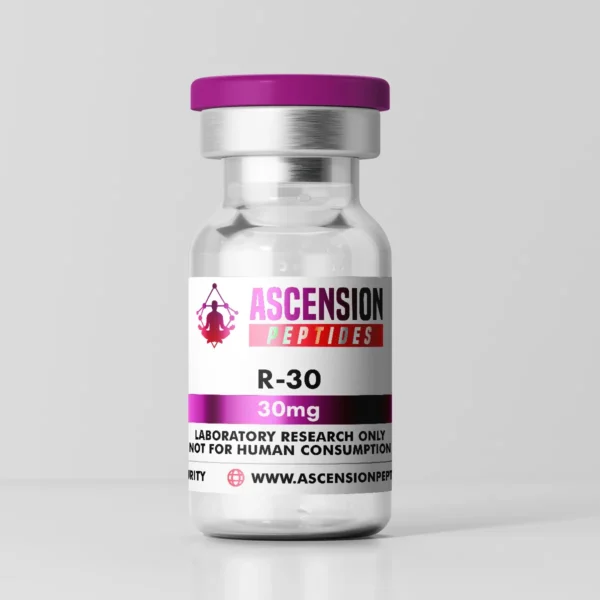
 Ascension Peptides
USA-based research vendor (Castle Rock, Colorado) publishing a per-batch Certificate of Analysis library with public lot IDs, so a vial can be matched to its own COA before and after purchase. Recent HPLC purity 99.79–99.98% across the catalog. Ships from the US and carries the full GLP-1 reference range alongside repair, longevity and cosmetic compounds.
Buy Retatrutide (R-30, 30mg) →Affiliate link — we may earn a commission at no extra cost to you.
 Particle Peptides
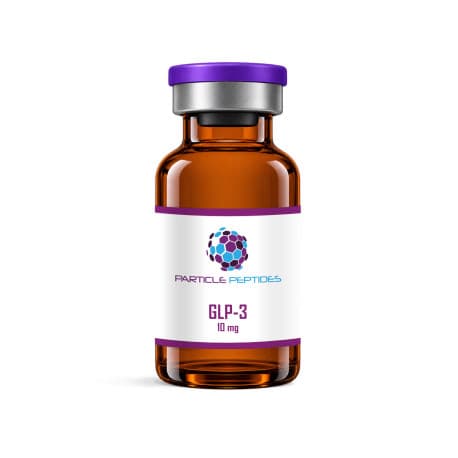
EU-based vendor (Slovakia, since 2015) shipping to EU, UK, and Switzerland. The only European supplier publishing all seven test parameters per batch (purity, identity, content, bioburden, endotoxins, heavy metals class 1 & 2). Manufacturer is cGMP / ISO 9001 / ISO 13485 compliant.
Buy GLP-3 10mg (Retatrutide, with mannitol) →Affiliate link — we may earn a commission at no extra cost to you.
 Ascension Peptides
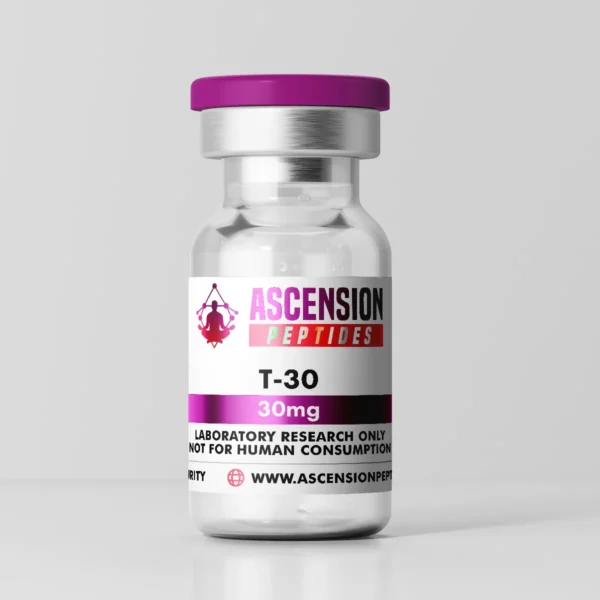
USA-based research vendor (Castle Rock, Colorado) publishing a per-batch Certificate of Analysis library with public lot IDs, so a vial can be matched to its own COA before and after purchase. Recent HPLC purity 99.79–99.98% across the catalog. Ships from the US and carries the full GLP-1 reference range alongside repair, longevity and cosmetic compounds.
Buy Tirzepatide (T-30, 30mg) →Affiliate link — we may earn a commission at no extra cost to you.
Frequently asked questions
- Is retatrutide stronger than tirzepatide?
- In Phase 2 trials, retatrutide produced approximately 24% mean weight reduction at the 12 mg dose over 48 weeks, compared with approximately 22.5% for tirzepatide at 15 mg over 72 weeks in the SURMOUNT-1 Phase 3 trial. The trials used different durations, patient populations, and phases — direct comparison is not yet possible without head-to-head data.
- Can I switch from tirzepatide to retatrutide?
- Only under medical supervision. Both peptides are stepwise-titrated; abrupt switching can amplify gastrointestinal side effects, and dose-equivalence between the two has not been formally established.
- Is retatrutide available now?
- Outside of clinical trials, retatrutide is available only via regulated US compounding pharmacies as of 2026. It is not FDA-approved and is not commercially marketed by Eli Lilly.
- Which has fewer side effects?
- Both share the same GLP-1-class adverse-event profile dominated by gastrointestinal symptoms during titration. Retatrutide has additional theoretical glucagon-related risks not yet fully characterised in long-term human data.
- How do the dose schedules compare?
- Both titrate every 4 weeks. Tirzepatide steps in 2.5 mg increments to a 15 mg maintenance dose. Retatrutide steps in 2 mg increments to a 12 mg maintenance dose per the published Phase 2 protocol.
References
- Jastreboff et al., Triple-Hormone-Receptor Agonist Retatrutide for Obesity — NEJM 2023
- SURMOUNT-1: Tirzepatide Once Weekly for the Treatment of Obesity — NEJM 2022
- Mounjaro (tirzepatide) Prescribing Information — FDA
- Zepbound (tirzepatide) Prescribing Information — FDA
- TRIUMPH-1 (retatrutide Phase 3 obesity trial) — ClinicalTrials.gov
Compute a dose for either peptide
PeptideDose is an educational reference. It is not medical advice and does not replace consultation with a licensed healthcare provider. Doses shown in presets are derived from published protocols and product labels — they are not personal recommendations.