
Retatrutide Calculator
Retatrutide (also known as LY3437943) reconstitution and dosage reference — calculate vial concentration, BAC water volume, and exact syringe units below.
At the reference preset of a 10mg Retatrutide vial reconstituted with 2 mL of bacteriostatic water, a 2mg dose measures 40 units on a U-100 insulin syringe.
Retatrutide is an investigational triple agonist of GIP, GLP-1, and glucagon receptors developed by Eli Lilly.
- Concentration
- 5 mg/mL
- Draw volume
- 0.4 mL
- Units (U-100)
- 40
- Doses per vial
- ≈ 5
- Reference preset
- 10mg · 2mL · 2mg
Reference values from the default preset — adjust the calculator below for your vial.
How to use this calculator›
- 1. Vial — the peptide amount printed on the vial, in milligrams.
- 2. BAC water — the bacteriostatic water added to the vial. More water means a lower concentration and a larger, easier-to-read draw.
- 3. Dose — the single dose being measured, in milligrams.
- 4. Syringe — the barrel being drawn into. The diagram rescales to that syringe, so the same dose sits at a different mark on a 0.3 mL barrel than on a U-100.
Educational reference only — not medical advice or a dosing recommendation.
What is Retatrutide?
Retatrutide is an investigational triple agonist of GIP, GLP-1, and glucagon receptors developed by Eli Lilly. In Phase 2 obesity trials, retatrutide produced approximately 24% mean body-weight reduction at 48 weeks at the 12 mg dose — the largest weight-loss effect reported for any GLP-1-class compound to date. It is not yet FDA-approved; access is via clinical trial enrolment or regulated compounding. Trial protocols use a stepwise titration starting at 2 mg weekly. At a 10 mg vial reconstituted with 2 mL of BAC water, a 2 mg dose draws to 40 units on a U-100 insulin syringe.
Where researchers source this
Vendors below have been manually vetted for third-party COA practice and shipping reliability. Verify the current Certificate of Analysis on the vendor's product page before purchase.
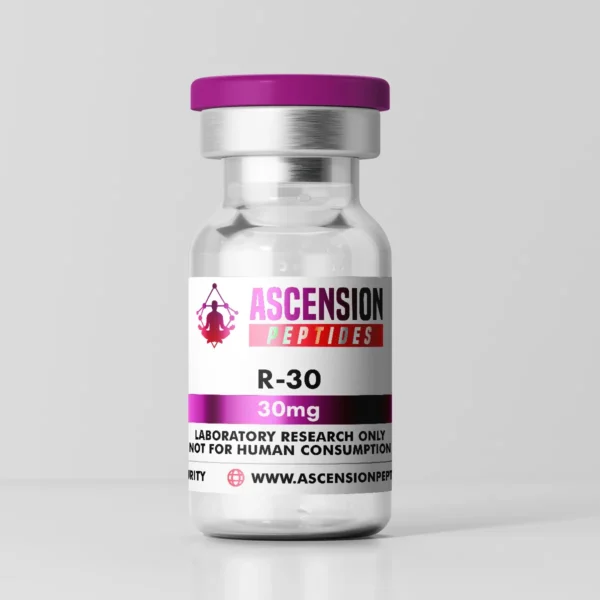
 Ascension Peptides
USA-based research vendor (Castle Rock, Colorado) publishing a per-batch Certificate of Analysis library with public lot IDs, so a vial can be matched to its own COA before and after purchase. Recent HPLC purity 99.79–99.98% across the catalog. Ships from the US and carries the full GLP-1 reference range alongside repair, longevity and cosmetic compounds.
Buy Retatrutide (R-30, 30mg) →Affiliate link — we may earn a commission at no extra cost to you.
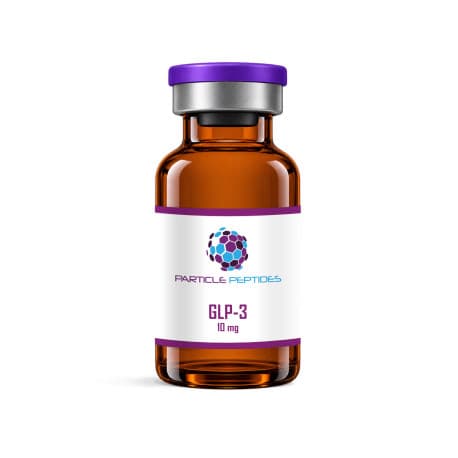
 Particle Peptides
EU-based vendor (Slovakia, since 2015) shipping to EU, UK, and Switzerland. The only European supplier publishing all seven test parameters per batch (purity, identity, content, bioburden, endotoxins, heavy metals class 1 & 2). Manufacturer is cGMP / ISO 9001 / ISO 13485 compliant.
Buy GLP-3 10mg (Retatrutide, with mannitol) →Affiliate link — we may earn a commission at no extra cost to you.
| 4 mg | lyophilized powder |
| 8 mg | lyophilized powder |
| 10 mg | lyophilized powder |
| 12 mg | lyophilized powder |
| 16 mg | lyophilized powder |
| 2 mg | ≈ 40 U-100 units (at 10mg / 2mL) |
| 4 mg | ≈ 80 U-100 units (at 10mg / 2mL) |
| 6 mg | ≈ 120 U-100 units (at 10mg / 2mL) |
| 8 mg | ≈ 160 U-100 units (at 10mg / 2mL) |
| 12 mg | ≈ 240 U-100 units (at 10mg / 2mL) |
How it's typically prepared
Reconstitute slowly with BAC water against the inner wall, swirl, refrigerate. Storage stability data for compounded retatrutide is limited — follow your compounding pharmacy's specific guidance.
Retatrutide Side Effects
The Phase 2 retatrutide trial (Jastreboff et al., NEJM 2023) reported gastrointestinal adverse events as the dominant side-effect pattern, consistent with other GLP-1-class drugs. The investigational status of retatrutide and the limited population size of pre-Phase-3 trials mean less is known about long-term and rare adverse events than for FDA-approved tirzepatide or semaglutide. The list below summarises events reported in published trial data — it is not a complete safety profile.
- Nausea
- Vomiting
- Diarrhea
- Constipation
- Decreased appetite
- Injection-site reactions
- Gallbladder events (cholelithiasis, cholecystitis) — reported in some Phase 2 participants
- Increased heart rate
- Possible pancreatitis (per GLP-1 class data — not specifically reported in retatrutide trials)
Frequently asked questions
- Is retatrutide FDA-approved?
- As of April 2026, retatrutide is investigational. It is being evaluated in Phase 3 trials for obesity and type 2 diabetes.
- How does retatrutide compare to tirzepatide?
- In Phase 2 trials, retatrutide produced approximately 24% mean weight loss at 48 weeks at 12 mg, compared with about 22.5% for tirzepatide at 15 mg in the SURMOUNT-1 trial — though direct head-to-head data is not yet available.
- What's a typical starting dose?
- Trial protocols typically start at 2 mg once weekly with monthly titration up to 12 mg.
Retatrutide unit conversions
Pre-built lookup tables that convert Retatrutide between common units at the reference 10mg / 2mL concentration.
Related references
- Tirzepatide — dosage calculator, reconstitution chart, and sources.
- Survodutide — dosage calculator, reconstitution chart, and sources.
- Mazdutide — dosage calculator, reconstitution chart, and sources.
PeptideDose is an educational reference. It is not medical advice and does not replace consultation with a licensed healthcare provider. Doses shown in presets are derived from published protocols and product labels — they are not personal recommendations.