
Tirzepatide Calculator
Tirzepatide (also known as Mounjaro) reconstitution and dosage reference — calculate vial concentration, BAC water volume, and exact syringe units below.
Also known as: Mounjaro, Zepbound
At the reference preset of a 10mg Tirzepatide vial reconstituted with 2 mL of bacteriostatic water, a 2.5mg dose measures 50 units on a U-100 insulin syringe.
Tirzepatide is a dual GIP/GLP-1 receptor agonist marketed by Eli Lilly under the brand names Mounjaro (type 2 diabetes) and Zepbound (chronic weight management).
- Concentration
- 5 mg/mL
- Draw volume
- 0.5 mL
- Units (U-100)
- 50
- Doses per vial
- ≈ 4
- Reference preset
- 10mg · 2mL · 2.5mg
Reference values from the default preset — adjust the calculator below for your vial.
How to use this calculator›
- 1. Vial — the peptide amount printed on the vial, in milligrams.
- 2. BAC water — the bacteriostatic water added to the vial. More water means a lower concentration and a larger, easier-to-read draw.
- 3. Dose — the single dose being measured, in milligrams.
- 4. Syringe — the barrel being drawn into. The diagram rescales to that syringe, so the same dose sits at a different mark on a 0.3 mL barrel than on a U-100.
Educational reference only — not medical advice or a dosing recommendation.
What is Tirzepatide?
Tirzepatide is a dual GIP/GLP-1 receptor agonist marketed by Eli Lilly under the brand names Mounjaro (type 2 diabetes) and Zepbound (chronic weight management). Clinical protocols typically start at 2.5 mg once weekly with stepwise titration in 2.5 mg increments every four weeks up to a 15 mg maintenance dose. Compounded tirzepatide is supplied in lyophilized vials of 5 mg through 60 mg; reconstitution volume varies with vial size and target dose. The drug must be drawn with an insulin syringe — a 2.5 mg dose at 10 mg / 2 mL concentration equals 50 units on a U-100 syringe.
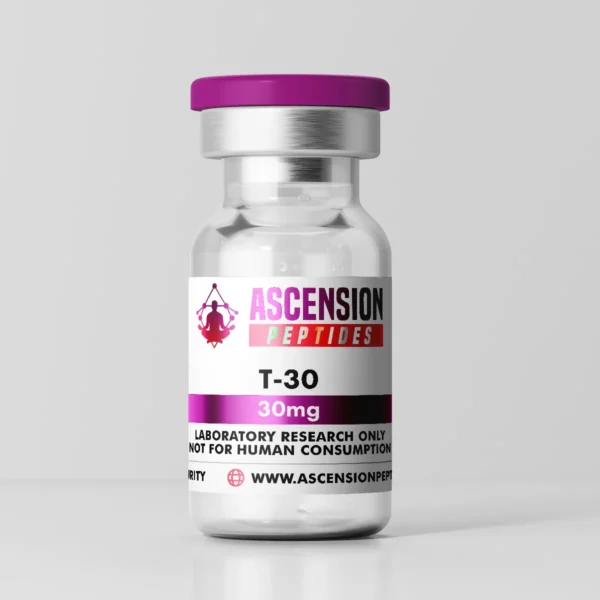
Where researchers source this
Vendors below have been manually vetted for third-party COA practice and shipping reliability. Verify the current Certificate of Analysis on the vendor's product page before purchase.

| 5 mg | lyophilized powder |
| 10 mg | lyophilized powder |
| 15 mg | lyophilized powder |
| 20 mg | lyophilized powder |
| 30 mg | lyophilized powder |
| 60 mg | lyophilized powder |
| 2.5 mg | ≈ 50 U-100 units (at 10mg / 2mL) |
| 5 mg | ≈ 100 U-100 units (at 10mg / 2mL) |
| 7.5 mg | ≈ 150 U-100 units (at 10mg / 2mL) |
| 10 mg | ≈ 200 U-100 units (at 10mg / 2mL) |
| 12.5 mg | ≈ 250 U-100 units (at 10mg / 2mL) |
| 15 mg | ≈ 300 U-100 units (at 10mg / 2mL) |
How it's typically prepared
Reconstitute with bacteriostatic water by injecting slowly along the inner wall of the vial. Do not shake — swirl gently. Refrigerate the reconstituted solution at 2–8 °C and use within the period your provider specifies.
Tirzepatide Reconstitution & Dose Math
Compounded tirzepatide ships as a lyophilized powder in 5 mg through 60 mg vials, and the first decision — how much bacteriostatic water to add — fixes the concentration and therefore every later draw. A common starting choice is a 10 mg vial reconstituted with 2 mL of BAC water, which gives a 5 mg/mL concentration that places the 2.5 mg starter dose at a clean 50 units on a U-100 insulin syringe. The catch is that this concentration does not scale to the higher end of the titration ladder: at 5 mg/mL a 5 mg dose already fills the entire 100-unit barrel, and 7.5 mg or more cannot be drawn in a single U-100 syringe at all. Matching the vial mass to the intended dose is therefore part of the setup, not an afterthought.
The arithmetic is two steps. First, concentration (mg/mL) = vial size (mg) ÷ BAC water (mL). Second, draw volume (mL) = dose (mg) ÷ concentration, and because a U-100 syringe reads 100 units per millilitre, multiplying that volume by 100 gives the unit reading. Worked at the default 10 mg / 2 mL (5 mg/mL): a 2.5 mg dose is 2.5 ÷ 5 = 0.5 mL = 50 units; a 5 mg dose is 1.0 mL = 100 units. To carry a 15 mg maintenance dose comfortably, a more concentrated preparation is used instead — a 30 mg vial in 2 mL is 15 mg/mL, so 15 mg becomes 1.0 mL = 100 units, and a 60 mg vial in 2 mL (30 mg/mL) brings the same 15 mg down to 0.5 mL = 50 units.
As a rule of thumb, keep individual draws below roughly 50–60 units so the markings stay easy to read, and step up the vial concentration as the titration dose climbs rather than overfilling a single syringe. The calculator above recomputes both the millilitre volume and the syringe-unit reading for any vial size and BAC-water volume, which makes it quick to compare a 10 mg, 30 mg, and 60 mg preparation side by side before committing to one. The titration ladder itself — and the choice of maintenance dose — is a clinical decision that belongs with a licensed provider; the figures here describe the reference arithmetic only.
Tirzepatide Titration Schedule (Zepbound label)
Reference titration ladder from the Zepbound (tirzepatide) FDA prescribing label for chronic weight management. Maintenance options are 5 mg, 10 mg, or 15 mg once weekly. This schedule is informational; your provider may follow a different titration based on your response and tolerability.
| Starting week | Dose | Notes |
|---|---|---|
| Week 1 | 2.5 mg/ week | — |
| Week 5 | 5 mg/ week | — |
| Week 9 | 7.5 mg/ week | — |
| Week 13 | 10 mg/ week | — |
| Week 17 | 12.5 mg/ week | — |
| Week 21 | 15 mg/ week | Maintenance |
Source: Zepbound (tirzepatide) Prescribing Information — FDA
Tirzepatide Side Effects
Adverse events in the SURPASS (type 2 diabetes) and SURMOUNT (weight management) trials, summarised on the Mounjaro and Zepbound FDA prescribing labels, are predominantly gastrointestinal and most common during dose escalation. The list below reflects those labels; it is an educational summary, not a complete safety profile. Both labels carry a boxed warning for thyroid C-cell tumours based on rodent studies.
- Nausea
- Diarrhea
- Decreased appetite
- Vomiting
- Constipation
- Dyspepsia (indigestion)
- Abdominal pain
- Injection-site reactions
- Fatigue
- Pancreatitis
- Gallbladder disease (cholelithiasis, cholecystitis)
- Acute kidney injury (usually from dehydration via GI fluid loss)
- Hypoglycemia (mainly when combined with insulin or a sulfonylurea)
- Diabetic retinopathy complications
- Hypersensitivity reactions
- Thyroid C-cell tumours (boxed warning; based on rodent data)
Frequently asked questions
- How many units of tirzepatide is 2.5 mg?
- On a U-100 insulin syringe, 2.5 mg of tirzepatide equals 50 units when the vial is reconstituted at 10 mg / 2 mL (5 mg/mL concentration). Adjust if your vial size or BAC water volume differs.
- How much BAC water do I add to a 10 mg tirzepatide vial?
- 2 mL is the most commonly used volume because it produces a 5 mg/mL concentration that maps cleanly to insulin syringe units. 1 mL or 3 mL are also valid — the calculator will convert.
- How long does a reconstituted tirzepatide vial last?
- Manufacturer guidance for reconstituted compounded tirzepatide is typically 28–30 days refrigerated, but follow the period printed on your specific vial.
- Can I use a regular syringe instead of an insulin syringe?
- An insulin syringe (U-100 or U-40) is strongly recommended because tirzepatide doses are small and require sub-millilitre precision. Larger syringes lack the resolution.
- How many units is 5 mg of tirzepatide?
- At the default 10 mg / 2 mL concentration (5 mg/mL), 5 mg draws to 100 units — the entire U-100 syringe. For 5 mg and above, a more concentrated reconstitution or a larger vial keeps the draw measurable: a 30 mg vial in 2 mL (15 mg/mL) puts 5 mg at about 33 units.
- How do I use the tirzepatide reconstitution calculator?
- Enter the vial size printed on your lyophilized vial, the volume of bacteriostatic water you will add, and your target dose. The calculator returns the concentration in mg per millilitre, the draw volume in millilitres, and the equivalent reading on a U-100 insulin syringe. The defaults match the common 10 mg / 2 mL preparation, where a 2.5 mg starter dose works out to 50 units — change any input to match your vial.
Tirzepatide unit conversions
Pre-built lookup tables that convert Tirzepatide between common units at the reference 10mg / 2mL concentration.
Related references
- Retatrutide — dosage calculator, reconstitution chart, and sources.
- Survodutide — dosage calculator, reconstitution chart, and sources.
- Mazdutide — dosage calculator, reconstitution chart, and sources.
PeptideDose is an educational reference. It is not medical advice and does not replace consultation with a licensed healthcare provider. Doses shown in presets are derived from published protocols and product labels — they are not personal recommendations.