
KLOW Peptide Stack
KLOW peptide · KLOW blend peptide · Kisspeptin / CJC-1295 / Ipamorelin / Tesamorelin / GHK-Cu / BPC-157
The KLOW peptide blend (also called the KLOW stack) is a multi-peptide formulation popularised by anti-aging clinics. The composition varies by source — common KLOW peptide members include Kisspeptin-10 (HPG-axis stimulation), CJC-1295 (GHRH analogue), Ipamorelin (GH secretagogue), and Tesamorelin (GHRH analogue). Some KLOW formulations also include GHK-Cu and BPC-157.
The KLOW blend combines 4 peptides — Kisspeptin-10, CJC-1295, Ipamorelin and Tesamorelin. The reference reconstitution chart below shows each component's typical vial, BAC water, dose, and U-100 syringe units.
| Component | Vial | BAC water | Reference dose | U-100 units |
|---|---|---|---|---|
| Kisspeptin-10 | 5 mg | 2 mL | 0.1 mg | 4 |
| CJC-1295 | 5 mg | 2 mL | 0.1 mg | 4 |
| Ipamorelin | 5 mg | 2 mL | 0.2 mg | 8 |
| Tesamorelin | 5 mg | 2 mL | 1 mg | 40 |
Per-component reference presets — when supplied as a single multi-peptide vial, follow your compounder's label. Adjust the calculator below for your vial.
KLOW dosage calculator
Switch between stack members using the chip strip. Each is preset to a typical vial and dose.
How to use this calculator›
- 1. Vial — the peptide amount printed on the vial, in milligrams.
- 2. BAC water — the bacteriostatic water added to the vial. More water means a lower concentration and a larger, easier-to-read draw.
- 3. Dose — the single dose being measured, in milligrams.
- 4. Syringe — the barrel being drawn into. The diagram rescales to that syringe, so the same dose sits at a different mark on a 0.3 mL barrel than on a U-100.
Educational reference only — not medical advice or a dosing recommendation.
Why these peptides together
KLOW combines HPG-axis stimulation (kisspeptin), GH-axis amplification (CJC-1295 + ipamorelin + tesamorelin), and ancillary recovery support (BPC-157, GHK-Cu in some versions). It targets endogenous endocrine activity rather than supplementing exogenous hormone directly.
Where researchers source this
Vendors below have been manually vetted for third-party COA practice and shipping reliability. Verify the current Certificate of Analysis on the vendor's product page before purchase.
 Ascension Peptides
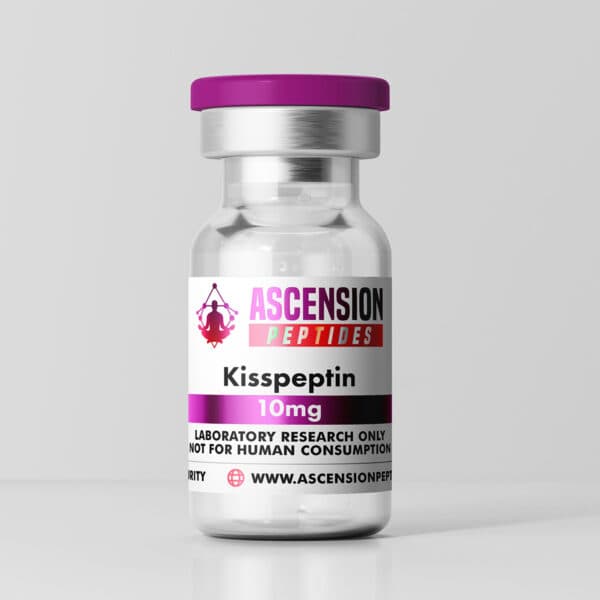
USA-based research vendor (Castle Rock, Colorado) publishing a per-batch Certificate of Analysis library with public lot IDs, so a vial can be matched to its own COA before and after purchase. Recent HPLC purity 99.79–99.98% across the catalog. Ships from the US and carries the full GLP-1 reference range alongside repair, longevity and cosmetic compounds.
Buy Kisspeptin-10 10mg →Affiliate link — we may earn a commission at no extra cost to you.
 Particle Peptides
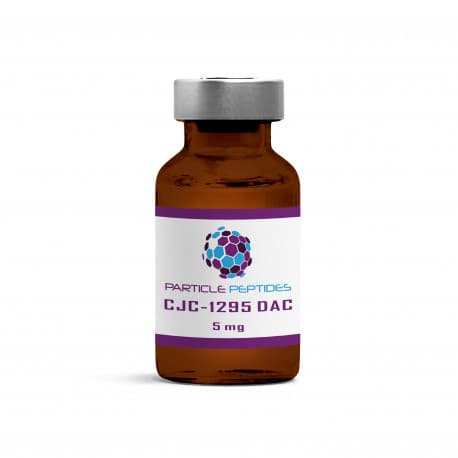
EU-based vendor (Slovakia, since 2015) shipping to EU, UK, and Switzerland. The only European supplier publishing all seven test parameters per batch (purity, identity, content, bioburden, endotoxins, heavy metals class 1 & 2). Manufacturer is cGMP / ISO 9001 / ISO 13485 compliant.
Buy CJC-1295 + DAC 5mg →Affiliate link — we may earn a commission at no extra cost to you.
How it's typically run
Compounding pharmacies typically supply KLOW as a single multi-peptide vial reconstituted with BAC water. Dose ranges and component ratios vary by compounder — always follow the specific label on your vial. A typical protocol is one subcutaneous injection nightly, five nights per week.
Frequently asked questions
- Are KLOW components reconstituted together?
- Yes — KLOW is usually supplied as a single multi-peptide lyophilized vial that is reconstituted with one volume of BAC water. The calculator can compute the per-component concentration once the total mass is known.
- What's the difference between KLOW and GLOW?
- Both are multi-peptide cocktails, but with different members and goals. GLOW typically combines GHK-Cu + BPC-157 + TB-500 (recovery / skin / connective-tissue focus). KLOW skews toward GH-axis stimulation.
PeptideDose is an educational reference. It is not medical advice and does not replace consultation with a licensed healthcare provider. Doses shown in presets are derived from published protocols and product labels — they are not personal recommendations.